All Categories
Featured


How to Find Top-Rated Local Lawn Care Services
Table of Contents
Rotary spreaders do not apply fertilizer uniformly, though, and the bulk of the fertilizer is placed within 70% of the actual spread width. To use fertilizer evenly with a broadcast spreader, either usage half the rate and apply in two instructions at right angles to one another, or overlap the applications by 30%.
Irrigate the turf throughout the summer season if a top quality lawn is preferred. Low and medium-quality grass might be enabled to go dormant.
Long stretches of very hot, dry weather might kill some of the grass. If big locations do not recuperate, you may require to overseed or remodel. Review Yard Establishment and Restoration for more details. Rain alone is typically enough to sustain lawns in Wisconsin. Sometimes, watering is needed to keep a high-quality yard during dry periods.
Prevent watering more frequently than as soon as a week as that will motivate shallow rooting of the grass plants, making them more vulnerable to tension and disease. To measure the quantity of water your sprinkler or irrigation system provides, set a series of several coffee cans, quart-sized jars or comparable sized straight-sided containers at 5- to 10-foot periods from the base of the sprinkler to the end of the watering pattern or width.
Essential Strategies for Maintaining a Lush Local Landscape
Irrigate the yard in morning. This decreases water loss from evaporation yet enables the sun to dry the leaf surface areas before many diseases can become active. If possible avoid watering in the late afternoon or early evening as leaves remain damp longer, which may stimulate disease. If water begins to run off from your lawn before the sprinkler has used a full inch of water, divided the watering into 2 or more much shorter sessions.
Watering to the point of runoff drainages and may eliminate nutrients and pesticides from the grass. Rake the dead leaves and debris from the yard to help it green up faster. Reseed any bare locations. Begin mowing for the season, 23 inches tall, and utilize the 13 guideline. Apply crabgrass preventer if required.
Irrigate premium lawns to keep them green and growing. Medium- and low-grade lawns can be permitted to go dormant. Apply fertilizer around July 4 unless the weather condition is hot and dry and the lawn is not irrigated. Core aerate if the soil is severely compacted or thatchy. Overseed bare areas if required, specifically if it can be done in addition to core aeration.
Current research has shown that correctly fertilized yards have considerably less water overflow and nutrition loss than numerous fields planted with agronomic crops. However, preventive measures require to be taken to make certain that the nutrient loss from home yards stays low. There are some easy steps you can require to assist minimize the quantity of nutrient overflow from your lawn.
Research study has actually shown that even a single season without fertilization can minimize grass stand density, increasing water runoff by as much as 70%. This provides a constant nitrogen source for the turf between applications.
How Environment Shifts Impact Local Property Care
Failure to sweep it up may trigger much of it to eventually get in lakes and streams by means of storm water. Water yards after using fertilizer. This practice increases the efficiency of the fertilizer and significantly lowers the capacity for nutrition losses throughout the time of year when short-duration, extreme rain storms are a common prune in the morning when plants are turgid (i.e., they have a great deal of water in them) so that they snap more easily.
How to Find Top-Rated Local Landscaping Services
Such yards provide numerous individuals the satisfaction they prefer from a turf without the time needed for maintenance. Realize, though, that low-maintenance lawns do not fit everybody's concept of a yard. They might be prone to weeds, bring in rodents such as field mice and ground squirrels, and the higher height of the turf might avoid the area from being helpful for leisure.
The mix needs to contain several ranges of red fescue, Chewings fescue, tough fescue, and sheeps fescue. The rest of the mix ought to contain no greater than 50% of common or low-maintenance types of Kentucky bluegrass and no more than 15% seasonal ryegrass. Fine fescues are slow-growing turfs adapted to low fertility and dry soils.
Fertilize the yard one or two times every year to postpone weed invasion. The lawn may be left unfertilized however will be more prone to weed intrusion. Mixes containing only fine fescues are often offered as "no-mow" or "low-mow" mixes. These turfs can be left un-mowed and will grow about 2 feet tall.

Table of Contents
Latest Posts

Obtain Better Results With A Professional Amsterdam Romance Advisor
Navigating The Selection Process For An Amsterdam Romance Advisor
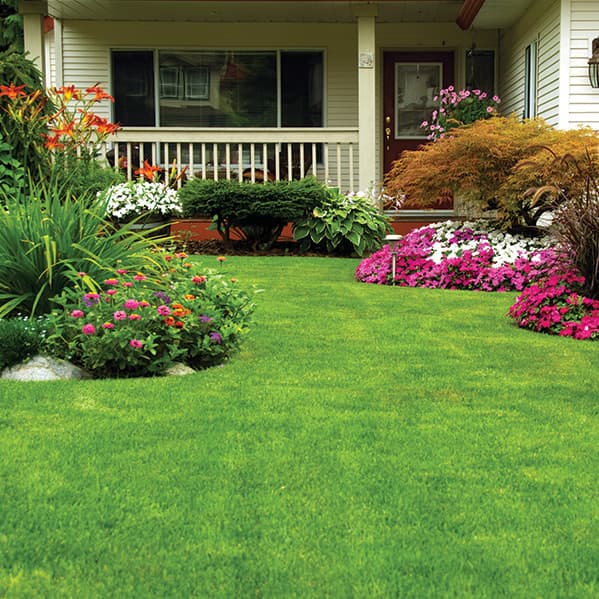
Elite Garden Service Directory for Properties
Latest Posts
Obtain Better Results With A Professional Amsterdam Romance Advisor
Navigating The Selection Process For An Amsterdam Romance Advisor
Elite Garden Service Directory for Properties